May 18, 2026
What Is the Best Way to Dispose of Confidential Documents?
Disposing of confidential documents might seem straightforward, but doing it securely is where it matters. From bank statements and employee records to customer data, sensitive information can easily be exposed if it’s not handled properly.
Not all disposal methods offer the same level of protection. In this guide, we’ll break down the best ways to dispose of confidential documents, what to avoid, and how to choose the right approach based on your needs.
What Counts as Confidential Documents?
Confidential documents are any materials that contain sensitive or private information that should not be accessed by unauthorised individuals. If disposed of incorrectly, these documents can lead to data breaches, identity theft, or compliance issues.
Common examples include:
Financial records such as bank statements, invoices, or payroll details
Employee information like contracts, HR files, or payslips
Customer data, including contact details or account information
Medical or health-related records
Legal documents and contracts
Even everyday paperwork can contain confidential details, which is why it’s important to treat disposal carefully.
📄 For a full breakdown, see our guide to confidential waste.
Why Proper Confidential Waste Disposal Matters
Disposing of confidential documents properly is not just good practice - it’s essential for protecting both individuals and businesses.
When sensitive information is thrown away without being securely destroyed, it can easily fall into the wrong hands. This can lead to identity theft, financial fraud, or data breaches that are costly to fix and damaging to trust.
For businesses, there are also legal responsibilities to consider. Regulations such as GDPR require organisations to handle and dispose of personal data securely. Failing to do so can result in fines and reputational damage.
Beyond compliance, having a clear and secure disposal process helps reduce human error and ensures confidential information is handled consistently across your organisation.
The Best Ways to Dispose of Confidential Documents
Not all disposal methods offer the same level of security. The best approach depends on how much confidential waste you have, how often you need to dispose of it, and how sensitive the information is.
1. Shredding (One-Off or Regular)
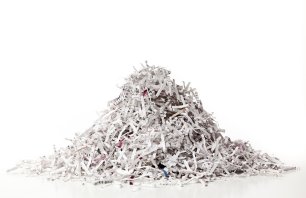
Confidential waste shredding is widely considered the safest way to dispose of confidential documents. By physically destroying the paper, it ensures the information cannot be reconstructed or misused.
There are different levels of shredding:
Strip-cut shredders (basic, lower security)
Cross-cut or micro-cut shredders (higher security, harder to reconstruct)
2. Professional Confidential Waste Disposal Services
For businesses or anyone dealing with larger volumes, professional services offer the highest level of security and convenience.
These services typically include:
Secure collection of documents
Locked transport and handling
Industrial-grade shredding
A certificate of destruction for compliance records
This approach removes the risk of human error and ensures confidential waste is handled in line with data protection requirements.
3. Confidential Waste Bins (For Ongoing Disposal)
Confidential waste bins are ideal for offices that generate sensitive documents regularly.
These are:
Lockable bins placed on-site
Used for day-to-day disposal by staff
Collected and securely shredded on a scheduled basis
They help reduce the risk of documents being left unsecured or thrown into general waste.
4. Home Disposal Options (Lower Volumes)
If you’re disposing of small amounts of confidential documents at home, a personal shredder is usually the most practical option.
However, it’s worth noting:
⚠️ It can be time-consuming
⚠️ Lower-grade shredders may not fully protect sensitive data
⚠️ There’s a higher risk of incomplete disposal
For a closer look at the limitations of using a personal shredder, check out our latest article:
Are Paper Shredders Worth It? The Ultimate Guide.
Quick Comparison of Disposal Methods
How to Dispose of Large Volumes of Confidential Waste
Disposing of large volumes of confidential waste requires a different approach to day-to-day shredding. Whether you’re clearing out old records or relocating an office, trying to handle it internally can quickly become inefficient and risky.
Common scenarios include:
Office clear-outs or archiving projects
End-of-year document disposal
Moving offices or closing sites
In these situations, using a standard office shredder or relying on staff to manage disposal can lead to delays, incomplete destruction, or documents being left unsecured.
The safest and most practical solution is to use a professional confidential waste disposal service which provides an in-bulk solution. This ensures:
✅ Secure collection and handling of all materials
✅ High-capacity, industrial shredding
✅ Full compliance with data protection requirements
✅ A clear audit trail, including certificates of destruction
Before choosing the right approach, it helps to see how a secure disposal process works in practice. Here’s a quick overview of how Shred-it protects confidential information from collection through to destruction:
What to Avoid When Disposing of Confidential Documents
Not all disposal methods are secure. In fact, some of the most common approaches can put sensitive information at serious risk if not handled properly.
Here are a few things to avoid:
Throwing documents in general waste
Once disposed of, these can be easily accessed by anyone handling the waste, increasing the risk of data breaches.
Recycling without shredding
While recycling is important, confidential documents should always be destroyed first. Placing intact documents in recycling bins leaves the information exposed.
Tearing documents by hand
This might seem like a quick fix, but documents can often be reconstructed, especially if they contain valuable information.
Burning documents
Burning may appear secure, but it can be unsafe, difficult to control, and may not comply with local regulations or environmental standards.
Relying on low-security shredders
Strip-cut shredders can leave documents readable or easier to piece back together, particularly for sensitive data.
For a clear overview of what should and shouldn’t be destroyed, you can also refer to our confidential waste disposal poster:

Need Help with Confidential Waste Disposal?
Disposing of confidential documents securely isn’t something to take chances with. Whether you’re handling a small amount at home or managing large volumes in a business, choosing the right method makes all the difference.
With over 35 years of experience, Shred-it provides secure, reliable confidential waste disposal services across the UK. From one-off collections to regular scheduled services, everything is handled with strict security and full compliance in mind.
Get in touch today to find the right solution for your business and protect your confidential information.