No. Confidential documents should not be placed in general waste or standard recycling bins, where they could be accessed before disposal. They should be stored in a locked confidential waste bin or shredding console and securely destroyed when no longer required.


November 03, 2026
7 Tips for Choosing a Confidential Waste Collection Service
Choosing a confidential waste collection service may seem straightforward, but the wrong provider can leave sensitive information exposed and create gaps in your organisation’s audit trail. Security, collection flexibility and proof of destruction all need to be considered before confidential materials leave your premises.
So, how can you tell whether a provider offers the protection your organisation needs?
These 7 practical tips explain what to check, which questions to ask and how to choose a confidential waste collection service you can trust.
What Is a Confidential Waste Collection Service?
A confidential waste collection service securely removes documents and other materials containing sensitive information so they can be destroyed safely. This may include financial records, customer information, employee files, contracts and other paperwork that should not enter general waste or recycling bins.
Materials are typically placed in locked bins or consoles before being collected by trained personnel. Depending on the service selected, they may then be shredded at your premises or transported securely to an off-site facility for destruction. A Certificate of Destruction should also be provided to support your organisation’s audit trail.
For more information about the materials that require secure handling, read our guide to what confidential waste is.
Not every provider offers the same level of security, flexibility or documentation. The following seven tips can help you choose a confidential waste collection service that meets your organisation’s needs:
What to Look for in a Confidential Waste Collection Service
Choosing the right provider means looking beyond who can collect your waste the fastest. Consider how confidential materials will be stored, handled, destroyed and documented throughout the process.
1. Check What Types of Waste They Can Collect
Start by confirming that the provider can securely destroy all the materials your organisation produces. Alongside paper documents, this could include hard drives, USB devices, CDs, identification cards and other media containing confidential information.
Different materials may require separate containers and destruction methods, so discuss your requirements before arranging a collection.[Text Wrapping Break]
2. Choose Between One-Off and Regular Collections
A one-off shredding service may suit an office clearance, archive clean-out or occasional build-up of old records.
Businesses that regularly handle customer, financial or employee information may benefit more from scheduled shredding. Collections can be planned around the volume of confidential waste generated and the storage capacity available.
3. Ask About Secure Bins and Consoles

Confidential documents should remain protected while they are waiting to be collected. Look for a provider that supplies lockable confidential waste bins or consoles with slots designed to prevent documents from being retrieved.
The number, size and placement of the containers should reflect how much confidential waste your organisation produces and where it is generated.
4. Understand How Waste Is Protected During Collection
Ask how the provider maintains a secure chain of custody once materials leave your control. This should include trained collection personnel, secure vehicles and controlled handling procedures.
A clearly documented process helps reduce the risk of documents being lost, accessed or mixed with general waste during transportation.
5. Compare On-Site and Off-Site Shredding
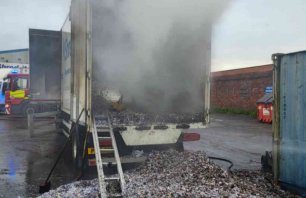
With on-site shredding, confidential materials are destroyed at your premises using a mobile shredding vehicle. This allows the waste to be destroyed before it leaves your location.
Off-site shredding involves securely transporting the collected materials to a controlled destruction facility. Both options can provide secure disposal, but the right choice will depend on your organisation’s security requirements, volume and preferred collection

6. Confirm What Documentation Is Provided
A professional confidential waste collection service should provide a Certificate of Destruction after the materials have been securely destroyed.
This records that the service was completed and provides evidence for your organisation’s internal audit trail. Ask what information appears on the certificate and how quickly it will be supplied following destruction.
7. Check Their Coverage and Collection Flexibility
Consider whether the provider can service every location where your organisation operates. This is particularly important for businesses with multiple offices, remote employees or sites across different regions.
A provider with nationwide coverage can offer a more consistent confidential waste collection process across your organisation while allowing collection schedules to be adjusted as your needs change
How to Prepare for Your First Confidential Waste Collection
Once you have selected a provider, a few simple preparations can help the collection run securely and efficiently:
1. Review retention requirements: Check that documents have reached the end of their required retention period before disposing of them.
2. Identify confidential materials: Gather the documents and media approved for destruction, keeping them separate from general waste and recycling.
3. Use secure containers: Place materials in locked bins, consoles or approved bags while they await collection. Avoid leaving confidential documents in open boxes or unattended areas.
4. Confirm what can be included: Ask your provider whether staples, paper clips, folders or non-paper materials need to be removed beforehand.
5. Nominate a responsible employee: Choose someone to oversee the collection, provide access and confirm that the correct materials are removed.
6. Prepare the collection area: Make sure the provider can safely access the containers at the agreed time, particularly if they are located in restricted areas.
7. Retain your documentation: Store the Certificate of Destruction with your organisation’s compliance and waste management records.
What Happens After Confidential Waste Is Collected?

After collection, confidential waste is either destroyed at your premises or transported in a secure vehicle to an off-site shredding facility. Access and handling should remain controlled throughout this process to maintain a secure chain of custody.
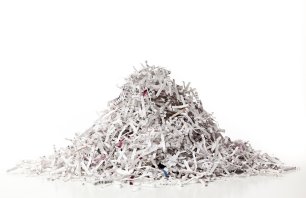
The materials are then shredded using industrial equipment so the information cannot be read or reconstructed. Once destruction is complete, a Certificate of Destruction is provided as evidence that the service has been carried out.
Shredded paper can then be sent to an approved paper mill, where it is processed and recycled into new paper products. Learn more about how Shred-it handles confidential paper waste disposal and recycling.
Choose Shred-it for Confidential Waste Collection
Shred-it provides secure and flexible confidential waste collection for businesses across the UK. With more than 35 years of experience, our team can help you choose a service that reflects the volume of waste you produce and how often it needs to be collected.
Our services include:
One-off and regularly scheduled collections
Secure bins and shredding consoles
On-site and off-site shredding options
A Certificate of Destruction after every service
Secure recycling of destroyed paper
Nationwide coverage through local service teams
Protect your sensitive information with a collection service designed around your organisation. Request a free quote from Shred-it today.
FAQs
Professional shredding is one of the safest ways to dispose of confidential documents. A secure service protects the materials during storage, collection, transportation and destruction. Businesses should look for controlled handling, secure containers and a Certificate of Destruction. Explore Shred-it’s confidential waste disposal service.
The cost of confidential shredding depends on the volume of documents, your location, how frequently you need a collection and whether shredding takes place on-site or off-site. Container requirements may also affect the price. Shred-it can provide a customised quote. based on your organisation’s needs.
Some local recycling centres may accept paper, but this does not necessarily mean they provide secure destruction for confidential documents. Services and restrictions also vary between local authorities. Sensitive paperwork should only be taken to a facility offering dedicated confidential shredding. Alternatively, a one-off shredding service can collect and securely destroy the documents.
Yes. Professional shredding services are available for businesses and individuals who need confidential documents securely destroyed. You can arrange a one-off service for an occasional clear-out or choose scheduled paper shredding if you regularly produce confidential waste.