August 04, 2026
Why Every Business Needs Secure Office Shredding
Businesses handle confidential information every day, from employee records and customer details to financial documents and contracts. While many organisations invest heavily in cybersecurity, the risks associated with paper documents are often overlooked.
Improperly disposing of confidential paperwork can expose businesses to data breaches, compliance issues, and reputational damage. Secure office shredding helps reduce these risks by ensuring sensitive information is destroyed safely and cannot be recovered.
In this guide, we'll cover:
What office shredding is
Which documents should be securely destroyed
The risks of improper document disposal
How office shredding supports compliance
The benefits of using a professional office shredding service
Before discussing the risks of improper document disposal, let's first look at what office shredding is and how it helps businesses protect confidential information:
What Is Office Shredding?
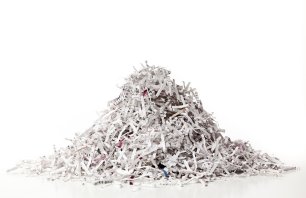
Office shredding is the secure destruction of confidential business documents that are no longer needed. Rather than disposing of paperwork in general waste or recycling bins, businesses use a professional office shredding service to ensure sensitive information is permanently destroyed and cannot be recovered.
Documents such as employee records, customer information, financial reports, contracts, and invoices can all contain confidential data that should be handled securely. Professional office shredding services help businesses protect this information while supporting their data protection responsibilities.
Many organisations choose either a regular shredding service, where secure containers are collected on a scheduled basis, or a one-off purge service for large volumes of archived paperwork.
By implementing a secure shredding process, businesses can reduce the risk of confidential information falling into the wrong hands and demonstrate a commitment to protecting sensitive data.
What Documents Should Be Shredded?
Many businesses underestimate how much confidential information exists in their day-to-day paperwork. Even documents that seem routine can contain personal, financial, or commercially sensitive information that should not be disposed of in general waste.
Examples of documents that should be securely shredded include:
Employee records and HR documents
Payroll and pension information
Customer records and account details
Contracts and legal agreements
Financial statements and invoices
Business correspondence
Medical records and healthcare documents
Printed reports containing confidential company information
Why a Shred-All Policy Is Best Practice
Rather than asking employees to decide which documents are confidential, many organisations adopt a Shred All Policy.
This approach treats all business paperwork as confidential by default, helping to remove uncertainty and reduce the risk of sensitive information being disposed of incorrectly.
A shred-all policy creates a consistent process across the business, making it easier for employees to securely dispose of documents without having to assess the level of confidentiality each time. It can also help strengthen information security, support compliance efforts, and minimise the risk of human error.
Whether it's contracts, invoices, meeting notes, printed emails, or internal reports, securely shredding all business documents when they are no longer needed helps ensure confidential information remains protected throughout its lifecycle.
While every business will handle different types of records, some documents should always be securely destroyed once they are no longer needed. Here are eight common examples:

As a general rule, if a document contains personal data, financial information, or details that could harm your business if accessed by unauthorised individuals, it should be securely destroyed when no longer needed.
❗ Unfortunately, many businesses only think about document destruction after a problem occurs. Let's look at the risks associated with improper document disposal:
The Risks of Improper Document Disposal
Improper document disposal can expose businesses to far more than a messy office. Confidential paperwork that ends up in general waste or unsecured recycling can be accessed by unauthorised individuals, creating serious security and compliance risks.
1. Data Breaches Can Start with Paper
When people think of data breaches, they often think of cyberattacks. However, physical documents can be just as valuable to criminals. Customer records, employee information, financial documents, and contracts can all be used for fraud, identity theft, or other malicious purposes if they fall into the wrong hands.
2. Compliance Failures Can Be Costly
Businesses have a responsibility to protect personal data throughout its lifecycle, including when it is no longer needed. According to the Information Commissioner's Office (ICO), organisations should have processes in place to securely dispose of personal information and prevent unauthorised access to it.
Failure to securely destroy confidential documents can increase the risk of data breaches, regulatory scrutiny, and potential penalties. The ICO's guidance on UK GDPR highlights the importance of ensuring personal data is protected throughout its retention and disposal process.
3. Reputational Damage Can Be Difficult to Recover From
A data breach does not have to involve sophisticated cybercrime to cause damage. A misplaced employee file, discarded invoice, or customer record found in the wrong place can undermine trust and negatively impact a company's reputation.
Customers, employees, and business partners expect organisations to handle their information responsibly. Secure document destruction helps demonstrate that commitment.
4. Human Error Is One of the Biggest Risks
Many businesses rely on employees to decide what should be kept, recycled, or discarded. Without a clear process, confidential documents can easily end up in general waste bins or unsecured recycling containers.
Advocating and implementing a Shred All policy using a professional office shredding service and containers/consoles helps create a consistent and secure disposal process, reducing the risk of accidental exposure and helping businesses meet their data protection responsibilities
Discover Shred-it latest blog on what is a Shred-All Policy and the 8 reasons you might need one in your organisation!
How Office Shredding Helps Businesses Stay Compliant
Protecting sensitive information does not end when a document is no longer needed. Businesses are responsible for ensuring confidential records are disposed of securely and cannot be accessed by unauthorised individuals within and outside the company.
A professional office shredding service helps businesses implement a secure and consistent document destruction process by:
Providing secure containers for confidential documents
Restricting access to sensitive information before collection
Maintaining a secure chain of custody
Ensuring documents are destroyed beyond reconstruction
Issuing a Certificate of Destruction as proof of secure disposal
By introducing a formal shredding process, businesses can reduce the risk of confidential information being mishandled while supporting their wider data protection and compliance obligations.
Whether you're disposing of employee records, customer information, contracts, or financial documents, secure shredding helps ensure sensitive information remains protected from collection through to destruction.
4 Benefits of Using a Professional Office Shredding Service
While compliance is an important consideration, professional office shredding also offers several practical benefits for businesses of all sizes.
1. Saves Time and Resources
Manually shredding documents can be time-consuming, especially for organisations handling large volumes of paperwork. A professional shredding service allows employees to focus on their core responsibilities rather than managing document destruction.
2. Improves Information Security
Secure shredding helps ensure confidential information is destroyed consistently and professionally, reducing the risk of sensitive documents being lost, stolen, or accessed by unauthorised individuals.
3. Supports Sustainability Goals
Many office shredding providers recycle the paper after destruction, helping businesses reduce waste and support their environmental objectives.
Discover more about paper recycling in our infographic - Lifecycle of a Document: Shredding and Recycling.
4. Scales with Your Business
Whether you need a one-off clear-out of archived files or a regular scheduled service, professional office shredding can be tailored to suit your organisation's requirements.
By combining security, compliance, and convenience, office shredding provides businesses with a simple way to protect sensitive information while maintaining an efficient workplace.
So, what should businesses look for when choosing an office shredding provider?
Why Businesses Choose Shred-it
When it comes to protecting confidential information, businesses need a provider they can trust. For more than 35 years, Shred-it has helped organisations securely destroy sensitive documents and reduce the risk of information breaches.
Businesses choose Shred-it because of its:
Over 35 years of information security experience
Secure chain of custody from collection to destruction
Certificates of Destruction for added peace of mind
Flexible one-off and scheduled shredding services
Nationwide coverage across the UK
Commitment to secure paper recycling
Whether you're disposing of employee records, customer data, or archived files, Shred-it can help you create a secure and compliant document destruction process.
Contact Shred-it today to find the right office shredding solution for your business.