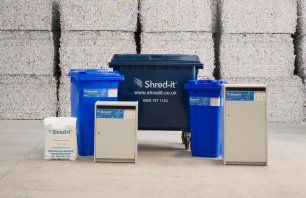
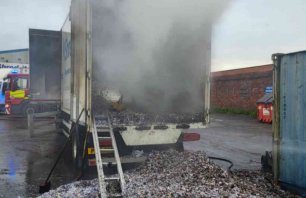
Certified data destruction is a secure, documented process used to permanently destroy confidential information. It should include controlled collection, secure handling, an appropriate destruction method and confirmation once the service is complete.


November 24, 2026
Certified Data Destruction: What Businesses Should Look For
Thinking about choosing a shredding provider but unsure how secure or certified their service really is? A Certificate of Destruction can offer reassurance, but it is only one part of a trustworthy data destruction process.
Secure collection, a documented chain of custody, appropriate destruction methods and clear proof of completion all matter when confidential information is at risk.
This guide explains what certified data destruction should include and how to choose a provider you can trust.
What Does Certified Data Destruction Mean?
Certified data destruction is the secure and documented disposal of confidential information so that it cannot be recovered or reconstructed. It can cover physical records as well as data-bearing devices such as hard drives, USB drives, backup tapes and optical media.
However, the word “certified” should refer to more than simply receiving a certificate once the job is complete. A reliable service should protect sensitive materials throughout the entire process, including collection, transportation, handling and final destruction.
This means using suitable destruction methods, maintaining a clear chain of custody and providing documentation that confirms the service has been completed. Together, these safeguards give businesses greater assurance that their information has been handled responsibly and provide a record that can support internal audits and data protection procedures.
A Certificate of Destruction forms part of this process, but it should be backed by secure practices at every stage.
What Should a Certified Data Destruction Process Include?
A certified data destruction service should protect confidential information at every stage, not only when the material reaches the point of destruction. Businesses should look for a clear, documented process that includes:
1. Secure collection and storage
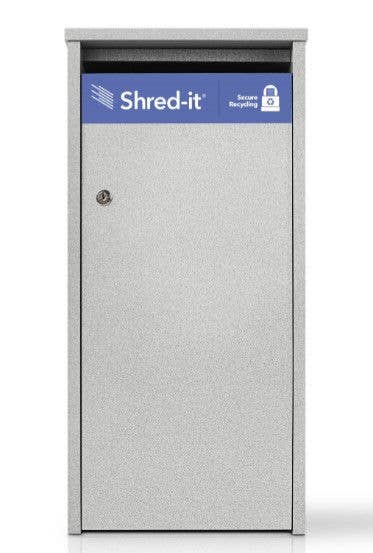
Confidential documents and data-bearing devices should be stored in locked containers and kept away from unauthorised access while awaiting collection.
2. A documented chain of custody
Materials should be tracked from the customer’s premises through transport, handling and final destruction. This creates accountability and reduces the risk of information being lost or accessed along the way.
Discover the 6 steps to a total document security. Get the fact sheet today!
3. An appropriate destruction method
The method used should match the type of material. Paper records may be securely shredded, while hard drives and other electronic media may require crushing or physical shredding to make the stored data permanently inaccessib
4. Trained and vetted personnel
Employees involved in collection, transportation and destruction should follow established security procedures and receive suitable training for handling confidential information.
5. Confirmation after destruction
Once the process is complete, the customer should receive documentation confirming that the material was destroyed. This provides a useful record for internal audits, information security policies and compliance procedures.
While secure handling protects data throughout collection and transportation, the destruction method itself must ensure the information cannot be recovered. This is especially important for hard drives, where deleting files may not permanently remove the data stored on the device:
Why Hard Drives Require Physical Destruction
Deleting files or reformatting a hard drive does not always remove the underlying data permanently. In some cases, information may still be recoverable using specialist software, creating a security risk when devices are retired, replaced or sent for recycling.
Physical destruction provides a more permanent solution by damaging the drive and its internal components so that the stored information cannot be accessed or reconstructed.
Shred-it helps provide this peace of mind by securely destroying hard drives so they are no longer usable and the data stored on them cannot be accessed. This gives businesses greater confidence that sensitive information has been permanently removed before devices leave the destruction process.
Destruction Method
Hard Drive Shredding
Hard Drive Crushing
How It Works
Breaks the entire drive into small unusable pieces. This includes the casing and internal components.
Uses force to deform the drive and fracture its internal platters; making the device inoperable.
Best For
Organisations seeking complete physical destruction of retired hard drives
Businesses that need a secure way to destroy individual hard drives
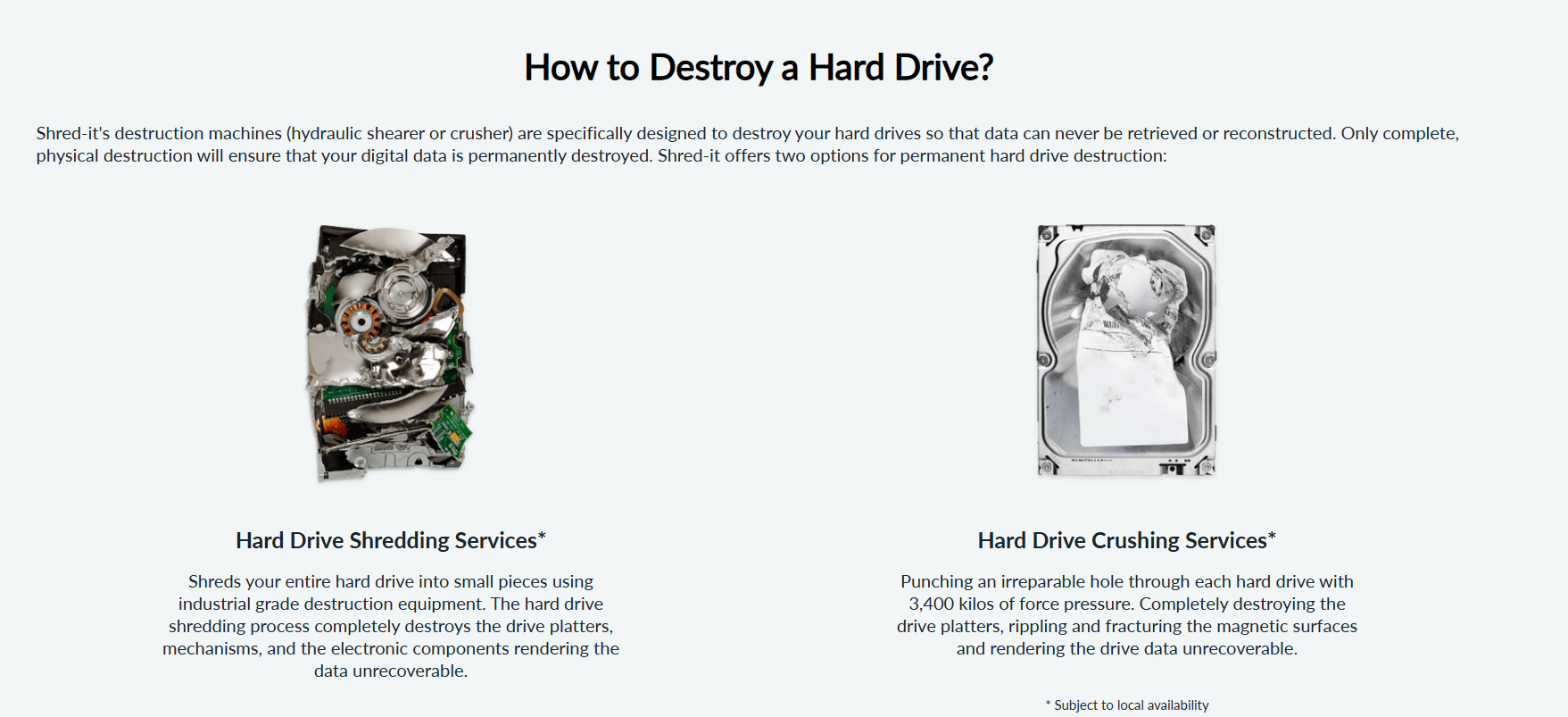
Certified hard drive destruction is particularly important for devices containing personal, financial, employee or commercially sensitive information. It also provides businesses with a documented record showing that the equipment was securely handled and destroyed.
For devices that will not be reused, physical destruction can offer greater assurance than relying on deletion or basic data wiping alone.
Want to learn more about secure hard drive disposal? Read our guide on how to destroy a hard drive and explore the different methods available.
What Information Should You Receive After Destruction?
Once a certified data destruction service is complete, your business should receive clear documentation confirming what was collected and securely destroyed. This creates an audit trail and can help demonstrate that confidential information was handled in line with internal security policies and data protection procedures.
The documentation may include:
✅ The date and location of the service
✅ The type and quantity of materials destroyed
✅ The destruction method used
✅ A service or transaction reference
✅ Confirmation that destruction was completed
✅ Recycling or sustainability information, where applicable
✅ Inventory tacking for destroyed i tems
✅A full barcode listing of items destroyed
These records should be stored alongside other information governance documents and retained according to your organisation’s internal policies.
A Certificate of Destruction is an important part of the process, but it should support a wider secure service that includes controlled collection, a documented chain of custody and appropriate destruction methods.
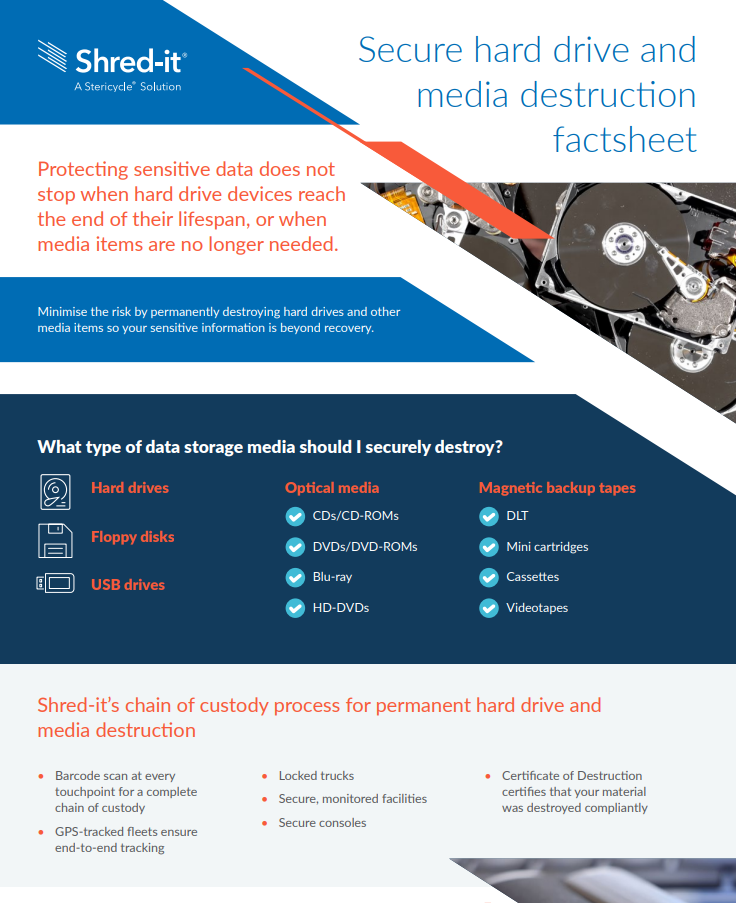
How to Choose a Certified Data Destruction Provider in 5 Steps
Choosing the right provider means looking beyond the Certificate of Destruction and assessing how securely your information is handled from collection through to final disposal.
1. Review Their Security Procedures
Check how confidential documents and data-bearing devices are stored before collection. Secure consoles, locked containers and controlled access can help reduce the risk of unauthorised handling.
2. Confirm the Chain of Custody
A reliable provider should be able to explain how materials are tracked during collection, transportation and destruction. Clear accountability at each stage provides greater confidence that sensitive information remains protected.
3. Check the Available Destruction Methods
The provider should use a method suited to the material being destroyed. This may include secure paper shredding, hard drive crushing, hard drive shredding or specialist destruction for other forms of electronic media.
4. Ask About Staff and Documentation
Confirm that employees are trained and vetted to handle confidential information. You should also receive clear documentation after the service, including confirmation that the destruction was completed.
5. Consider Coverage and Recycling
Businesses with multiple premises may benefit from a provider offering consistent, nationwide support. It is also worth asking what happens to the destroyed materials and whether they are securely recycled where possible.
Certified Data Destruction with Shred-it
Shred-it helps businesses protect confidential information with secure data destruction services tailored to their needs. With more than 35 years of experience and nationwide coverage across the UK, Shred-it can support both individual sites and organisations operating from multiple locations.
Businesses can benefit from:

As an i-SIGMA member, Shred-it follows established security practices and procedures for handling and destroying confidential materials.
Whether you need to dispose of paper records, retired hard drives or other data-bearing media, Shred-it provides a secure and traceable process from collection through to final destruction.
Protect your confidential information with certified data destruction services from Shred-it.
FAQs
Not always. Deleted or reformatted data may still be recoverable using specialist tools. When a hard drive will not be reused, physical destruction can provide greater assurance that the stored information cannot be accessed.
A Certificate of Destruction confirms that confidential documents or data-bearing devices have been destroyed. It can support internal audits, information security procedures and record-keeping requirements.
Depending on the provider, services may cover paper records, hard drives, USB devices, backup tapes, CDs, DVDs and other media that stores sensitive information.
This depends on how much confidential material the business produces and its internal retention policies. Some organisations use regular scheduled collections, while others arrange one-off services for office clear-outs, equipment replacements or large volumes of archived records.