June 11, 2026
How Businesses Recycle Shredded Paper Securely
For businesses handling confidential information, securely disposing of paper is just as important as protecting it in the first place. Once documents are shredded, organisations must ensure that the resulting paper waste is managed responsibly—both from a data security and environmental perspective.
Secure shredded paper recycling combines strict document destruction processes with efficient recycling practices. From controlled collection and monitored shredding to tracked transport and certified disposal, every step is designed to maintain confidentiality while supporting sustainability goals.
Understanding how this process works helps organisations not only meet compliance requirements but also reduce their environmental impact by ensuring that shredded paper is safely transformed into new materials. This is particularly important for organisations that must meet strict data protection requirements and avoid the risks associated with improper disposal of sensitive information.
What is Shredded Paper & Where Does It Come From?
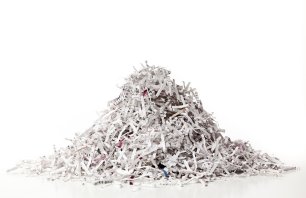
Shredded paper refers to paper that has been cut into small strips or fragments. For businesses, shredded paper is typically generated through secure document destruction processes, essential for maintaining confidentiality and compliance with data protection regulations. This can include documents such as invoices, contracts, employee records, financial reports, and other materials containing sensitive or personal data.
At Shred-it, shredded paper primarily originates from businesses and organisations seeking to safeguard sensitive information. This shredded material undergoes rigorous security measures before being processed through secure paper recycling systems and reused in new paper products, contributing to both environmental sustainability and data security.
What is the Paper Recycling Process?
In a typical secure shredded paper recycling process, confidential documents are handled through a controlled and traceable series of steps to ensure data security and environmental responsibility. This approach helps organisations understand how to recycle confidential paper effectively while maintaining compliance.
Step 1: Secure Disposal of Confidential Documents
Confidential documents are first dropped into a secure, locked container.
Step 2: Collection and Scheduled Emptying
Secure consoles are collected and emptied on a regularly scheduled basis by security-vetted staff.
Step 3: Secure Shredding Process
All confidential documents are either shredded on site, or in a secure location. The entire process is securely tracked via a hand-held scanning device.
Step 4: Certification and Audit Trail
A Certificate of Destruction is issued for every service, providing a complete audit trail for the customer.
Step 5: Transport for Recycling
The shredded paper is then baled and transported directly to a paper mill for recycling. All shredded paper is recycled, and because it is handled within a controlled process, it helps ensure a high recovery rate due to the large proportion of clean, high-quality white office paper and minimal contaminants (particularly plastics) mixed in with the shredded paper.
Step 6: Pulping and Screening Process
At the mill, the fibres of the shredded paper are separated and made into pulp. The pulp is then put through a screening process that filters out any impurities and prepares it for the removal of printing ink.
Step 7: Manufacturing New Paper Products
Finally, this pulp is mixed with fresh pulp to manufacture new paper products.
Unlike general recycling systems, secure shredded paper recycling ensures materials remain separated from other waste throughout the process. This controlled approach reduces contamination and helps ensure that shredded paper is effectively recycled.
Why Avoid Standard Recycling for Shredded Paper
Standard recycling systems are not suitable for shredded paper, particularly for businesses handling confidential information. Materials placed in recycling bins are not securely managed and can remain accessible during collection and sorting, creating a risk of data exposure when attempting to recycle sensitive documents. In many cases, shredded paper placed in general recycling streams may not be processed correctly and can end up being diverted to landfill. In addition, the small size of shredded paper makes it difficult to process efficiently, as it can be lost in sorting systems or contaminate other recyclable materials. This is because the small particles of shredded paper can fall through sorting screens or interfere with recycling machinery, making it difficult to recycle shredded paper through standard systems.
How Does Recycling Paper Help the Environment?
This recycling process can dramatically reduce the environmental impact of corporate organisations, and the benefits are invaluable. Some estimates indicate that each tonne of paper that is recycled saves:
- 2.7 cubic meters of landfill space (plus the pollution caused by rotting paper waste in a landfill give off toxic greenhouse gases)
- 17 trees which will absorb 113kgs of carbon dioxide each year
- 1,400 litres of oil
- 4,100 kilowatts of energy
- 26,500 litres of water
For more information on how to make your organisation ‘greener’ and to ensure environmental good practice, here are some practical tips.
By adopting these processes, businesses can better understand how to recycle confidential paper and recycle shredded paper responsibly while ensuring compliance and supporting sustainability goals. Working with a secure recycling partner, such as Shred-it, ensures a seamless and compliant approach from collection to recycling.