June 10, 2026
Cross Cut Shredder: What is It & Key Benefits
What is a Cross Cut Shredder?
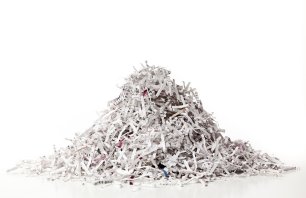
A cross cut shredder is a type of shredding device used by professional information destruction organisations to securely reduce confidential materials into small, confetti-like pieces that are significantly more difficult to reconstruct.
Types of Shredders: Strip Cut, Cross Cut and Micro Cut Compared
Businesses can choose from several types of shredders, including strip cut, cross cut and micro cut models, each offering different levels of security. Strip cut shredders slice paper into long strips, which can be relatively easy to reconstruct, making them less secure for confidential information. Micro cut shredders provide the highest level of security by reducing documents into extremely small particles, often used for highly sensitive or regulated data. In comparison, cross cut shredders offer a practical balance between security and efficiency, producing small fragments that are far more difficult to reassemble than strip-cut pieces, while remaining suitable for everyday business use.
Key Benefits of Using a Cross Cut Shredder
Cross cut shredders offer several advantages when it comes to protecting sensitive information and supporting secure document disposal:
Improved data security by reducing the risk of confidential information being exposed or reconstructed
Supports compliance with data protection regulations and internal security policies
Helps minimise risk associated with improper disposal of sensitive documents
Provides a reliable approach to handling confidential materials in a controlled and consistent way
The shredding machines used by some third party experts, including Shred-it, also tear the edges of the shred, producing uneven fragments for even greater security. Shredded paper is then compacted under massive pressure into solid bales ready for transportation to a recycler.
What Type Of Shredders Are Most Businesses Using?
More than half of large businesses and nearly three quarters of SMEs use an office shredder to shred their confidential paperwork in-house, according to the results from our most recent Information Security Tracker survey. With so many stories relating to security breaches hitting the press lately, it’s understandable that any responsible business wants to protect itself from a breach, so the intention is clearly a good one.
But how many business owners and managers are aware of the potential risk to their organisation posed by this increasingly common piece of office equipment?
Things to Consider When Shredding Documents In-House
While in-house shredding can be a practical option, businesses should ensure that clear policies, secure storage and regular audits are in place to minimise risk and maintain consistent data protection standards. If you are handling shredding in-house, these are some important considerations to follow:
You use a cross cut shredder
Employees have somewhere secure to keep any documents identified for shredding
It's clear what documents should be shredded - implementing an information security policy is key to this and adopting a 'shred all' approach is safest
Documents do actually get shredded - audit employee work areas and check your recycling bins for evidence of staff taking unsecure shortcuts.
Are There Risks With a Cross Cut Shredder?
Even if you have a cross cut shredder in your office, there are a number of serious security issues you could potentially have to contend with.
Not least of which is the delay between documents being earmarked for shredding and when they are actually shredded. Let’s face it: shredding paper isn’t most employees’ idea of a productive or mission-critical task, so paper is left to pile up on peoples’ desks, next to the shredder or worst of all, just thrown in the recycling bin.
Consider Professional Shredding Services
When it comes to safeguarding your sensitive information, professional shredding services offer peace of mind. With Shred-it, you can trust in secure and efficient disposal of your confidential documents and media.